Digital Marketing Strategies – 2026 is expected to be one of the most revolutionary years in digital marketing. It is very important that brands reconsider how they operate online due to the emergence of AI, increasing competition, more complex algorithms, and changing consumer behaviour.
Having a social media account is no longer enough. Posting regularly isn’t the same as being strategic. And running ads on their own, without a plan behind them, won’t get you there either.
To succeed in 2026, brands need a clear, well organized strategy to stand out in an increasingly crowded market.
In reality, many businesses are posting daily, spending on ads, and staying active online and yet they are still struggling to generate leads, sales, and long term brand growth. The reason is simple, working without strategy creates just sound, not results. In 2026, brands need systems, direction, and performance focused execution.
What is a Digital Strategy?
A digital strategy is a structured plan that helps businesses achieve their goals using online channels like SEO, social media, content marketing, paid advertisements, email marketing, and website optimization.
Many people confuse digital strategy with simply doing marketing activities. But posting on Instagram, running ads, or sending emails as disconnected, one off actions isn’t a strategy. It’s just activity. Strategy is the master plan that connects all these actions toward one measurable business goal.
It is not just about being active online, it is about using the right platforms, the right message, and the right time to drive real results.
To understand how strategy turns into execution, explore our SEO strategies for long term growth guide.
In 2026, having a clear digital marketing strategy is what separates growing brands from those that struggle to stay visible.
A strong digital strategy helps businesses increase online visibility, generate qualified leads, improve customer trust, and build predictable revenue through the right digital channels.
Brands need smart, integrated, and data driven Digital Marketing Strategies to stand out.
This year demands clarity, personalization, strong storytelling, AI adoption, and community first thinking.
Before diving into the strategies, here are the biggest digital marketing challenges brands struggle with:
- Declining organic reach due to new algorithms
- Posting consistently but still getting low engagement
- High ad costs without measurable results
- Difficulty converting followers into paying customers
- Oversaturation across all social platforms
- Struggling to understand AI tools and automation
- Slow-loading websites causing high bounce rates
- Confusion about which platforms actually matter
- Following trends but not building community or loyalty
Many brands face these issues due to poor planning, as explained in our guide on why businesses waste money on digital marketing in 2026.
This guide addresses each of these points directly with actionable solutions.
Now that we understand what Digital Marketing Strategies mean, the next step is knowing how successful brands actually build them.
How to Build an Effective Digital Strategy
Creating a successful digital strategy does not happen randomly. It requires a structured and thoughtful approach. Here is a simple step by step process:
Step 1: Define clear business goals
Step 2: Understand your target audience
Step 3: Choose the right digital platforms
Step 4: Plan your content and messaging
Step 5: Implement marketing channels strategically
Step 6: Track performance and optimize continuously
If you are unsure how to implement these steps, working with a digital marketing agency in Delhi NCR can help streamline execution.
Each step should be supported with clear timelines, realistic budgets, monthly KPIs, and continuous testing. The brands that grow fastest are usually the brands that improve fastest.
Brands that follow a structured approach consistently outperform those relying on guesswork.
Why Most Businesses Fail Without a Digital Strategy
Many businesses are active online but still fail to see real growth because they lack a clear way of doing it. Without a proper digital strategy, efforts become irrelevant and ineffective.
Common mistakes include:
- Random content posting without a clear goal
- Spending money on ads without a good conversion funnel
- Targeting the wrong audience
- Ignoring data and performance tracking
- Focusing on trends instead of long term growth
Without structure and planning, even the best work fails to deliver results, which is exactly why a real strategy is no longer optional in 2026.
Many businesses assume more effort automatically creates better results. Unfortunately, effort without direction often leads to burnout, wasted ad spend, inconsistent branding, and zero momentum.
Types of Digital Marketing Strategies Businesses use in 2026
Different businesses require different approaches depending on their goals, audience, and industry.
Some of the most effective Digital Marketing Strategies include:
- SEO Strategy – Focuses on improving website visibility on search engines
- Content Strategy – Builds authority through blogs, videos, and valuable content
- Social Media Strategy – Creates engagement and brand awareness
- Performance Marketing Strategy – Uses paid ads to generate leads and sales
- Branding Strategy – Focuses on storytelling, identity, and emotional connection
For example, a local salon may need Google visibility and Instagram reels, while an ecommerce brand may need paid ads, retention emails, and creator collaborations. The best strategy always depends on the business model.
The most successful brands combine multiple strategies instead of using just one.
Here are the nine strategies:
1. Strong AI-Powered Content
By 2026, human creativity and AI will be partners rather than opposing forces. Brands that use AI-powered content wisely will consistently outperform those still relying only on conventional content creation. AI’s influence extends beyond content into how brands build their visual identity too, our piece on AI generated brand identity explores that shift.
Why it is essential:
AI helps brands:
- Understand trending topics
- Optimize content before posting
- Personalize content for micro-audiences
- Automate repetitive tasks, saving valuable time
- Helps maintain consistent posting and messaging at scale
Key elements of a 2026 AI content strategy:
- AI-generated content drafts enhanced through human creativity
- Predictive content suggestions
- AI-powered topic clusters for deeper authority
- Content automation workflows
- AI-based video repurposing
What brands must do:
Use strong AI-Powered content to enhance creativity, not replace it. In 2026, the most successful brands combine AI’s intelligence with the authenticity of a human brand voice. This balance is what helps brands stand out with their content.

2. Strong Social Media Presence with Platform Specific Strategies
Social media is no longer just a marketing channel it’s the digital identity of every brand.
Consumers often encounter a brand online before ever experiencing its product, making a strong and strategic presence more critical than ever. That’s why a strong, platform specific social media presence is one of the most important things a brand can invest in.
Why it’s essential in 2026:
- Social media has become a discovery engine
- Audiences form perceptions based on a brand’s profile and content quality
- Organic reach is still achievable with the right approach
- Short form video rules the attention economy right now
Platform-specific strategies every brand need:
Short-form videos, storytelling, and strong visual branding
Thought leadership, professional authority, and B2B conversions
YouTube
Long-form education, search-driven visibility, and evergreen content
TikTok
Trend participation, engaging hooks, and fast community growth
Visual search marketing and inspiration-driven traffic
What brands must do:
Stop treating all platforms the same. Create platform specific content and maintain consistency.
Brands that struggle with execution can explore professional social media marketing services to build consistent growth.
Seasonal moments like Hanuman Jayanti are a great test case for platform specific execution, see our full post ideas guide for that festival.

In 2026, social media rewards interaction more than broadcasting. Replying to comments, using polls, asking questions, and creating shareable content can significantly improve reach.
3. Personalized Email & Automation
Email and automation continue to deliver some of the best ROI of any digital channel. That’s true when it’s used strategically, not just as a bulk broadcast tool.
Why email marketing matters in 2026:
- Algorithms do not control reach
- Enables hyper-personal communication
- Strengthens long-term customer relationships
- It drives repeat purchases
Essential email strategies every brand needs:
- Welcome sequences that feel warm and intentional
- Abandoned cart emails that actually convert
- Win back campaigns for inactive users
- Personalized recommendations
- Newsletters with value and storytelling
What brands must do:
Avoid generic bulk emails. Build automation flows that speak to each customer as an individual, not as part of a mass list.
Email works because it is built on trust, and I go deeper into that idea in my guide on the importance of trust in branding.

Brands should also focus on building their own customer database because owned audiences through email are more secure than depending only on social media algorithms.
4. Paid Advertisements
As paid advertising costs keep rising in 2026, brands without a clear strategy waste the most money.
Why paid ads still matter:
- They bring fast visibility
- They support lead generation
- They scale what is already working
However, paid advertisements must follow a full-funnel approach and random boosts no longer work.
Key 2026 ad Digital Marketing Strategies:
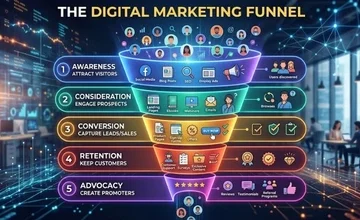
- TOF (Top of Funnel) attention grabbing awareness ads
- MOF (Middle of Funnel) problem solving content
- BOF (Bottom of Funnel) retargeting ads
- Creative testing cycles
- First-party data for smarter targeting
- AI-assisted bidding and optimization
What brands must do:
Paid ads should amplify a strategy that’s already working. It shouldn’t be used as a patch for a strategy that isn’t.

The smartest brands now focus less on vanity metrics like impressions and more on cost per lead, return on ad spend, customer acquisition cost, and lifetime value.
5. Community Building
In 2026, the brands that win are the ones that build communities, not random audiences.
People are tired of faceless brands. They want connection, interaction, and belonging. So, community building is essential.
Why community matters:
- Builds trust
- Encourages repeat purchases
- Turns loyal customers into brand ambassadors
- Reduces acquisition costs
Community-focused strategies include:
- Broadcast channels
- VIP customer groups
- Live Q&A and interaction sessions
- Story-based content series
- User-generated content drives
What brands must do:
Humanize the brand and show its human side. Communities built this way stick around, engage, and eventually advocate for you unprompted.

Acquiring a new customer is often more expensive than retaining an existing one. This is why communities have become one of the highest ROI digital assets in 2026.
6. Strong Brand Identity & Digital Storytelling
In 2026, brands that lack a compelling story fail to differentiate themselves. Modern consumers are not just buying products, they are buying personality, purpose, and connection. So, strong brand identity and digital storytelling deserve a central place in your overall strategy.
Why digital storytelling matters:
- It shapes how people see your brand
- Builds emotional connection
- Creates a memorable digital presence that audiences recognize instantly
Elements of strong storytelling:
- A consistent and recognizable brand voice
- A clear founder or origin story
- Behind-the-scenes narratives
- Values-driven and mission-led communication
- Strong visual identity across all channels
What brands must do:
Communicate with emotion. Show the truth. Make the brand feel human, not robotic, that’s the goal.

When customers emotionally connect with a brand story, they become more loyal, more likely to refer others, and less price sensitive.
7. Short Form Video
Reels, Shorts, and TikTok content continue to dominate the digital landscape and 2026 only makes the competition stronger. If your brand isn’t showing up on short-form video, you’re missing one of the most important opportunities in 2026.
Why short videos are crucial in 2026:
- They receive priority in social media algorithms
- They deliver the highest reach
- They drive the fastest brand awareness
- They build personal connection
Key elements:
- A strong 3-second hook
- Content that keeps people watching
- A simple story arc
- Real, authentic moments
- Repurposing your videos everywhere
What brands must do:
Take a video first approach. Short-form video is now necessary for survival in 2026.

Even simple videos filmed on a phone can outperform expensive productions when the message feels relatable, useful, and authentic.
8. Website Optimization
The digital headquarters of your company is your website. You lose clients right away if it is slow, out-of-date, or confusing. DigiAdGalla also designs and develops fast, responsive, and conversion focused websites, learn more about DigiAdGalla’s website design & development services here.
Why website optimization matters:
- Your first impression decides if someone stays or bounces
- 80% of buyers check websites before they ever buy
- Google’s rankings now prioritize user experience more than ever
Website essentials for 2026:
- Fast-loading, performance-optimized pages
- Mobile-first design
- Clear and compelling CTAs
- Proper SEO structure
- Separate landing pages for ads
What brands must do:
Create a website that is simple, fast, and effortless for users.

A website should not only look attractive. It should guide visitors clearly toward enquiry, purchase, booking, or contact actions.
Tools That Power Modern Strategies
In 2026, smart tools play a major role in performing successful Digital Marketing Strategies. They help brands save time, improve accuracy, and make data driven decisions.
Some essential tools include:
- Google Analytics for tracking website performance
- Google Search Console for SEO insights
- Meta Ads Manager for running paid campaigns
- SEMrush or Ahrefs for keyword research and competitor analysis
- Email marketing tools like Mailchimp or HubSpot
Using the right tools can meaningfully improve both the efficiency and the results of your marketing efforts.
Tools alone do not create growth. Results come when the right tools are combined with the right strategy, team execution, and consistent optimization.
9. Influencer & Creator Collaboration
Creators are the new media companies. Influencer & creator collaboration gives businesses a significant competitive edge, and they are rapidly growing into modern media behemoths. They are essentially the new media channels, and you are losing out if your brand is not collaborating with them.
If you want to see the exact budget mistakes brands make while chasing new channels like this one, my guide on why businesses waste money on digital marketing in 2026 breaks them down.
Why influencer marketing is essential:
- People trust creators more than ads
- Creators bring instant visibility
- User-generated videos convert better than brand ads
Key 2026 strategies:
- Long-term creator partnerships
- Micro & nano creator campaigns
- Affiliate-style, performance-based partnerships
- Ads that creators produce themselves
What brands must do:
Stop thinking in terms of one off posts. Build long-term relationships with creators instead. This kind of ongoing collaboration is becoming one of the fastest growing parts of modern marketing.

Latest Digital Strategy Trends in 2026
The digital landscape is evolving rapidly, and brands must stay updated to remain competitive.
Some of the biggest trends shaping Digital Marketing Strategies in 2026 include:
- AI driven personalization for better user experience
- First party data becoming more important than ever
- Short form video getting more attention across platforms
- Community based growth replacing traditional marketing
- Voice and visual search gaining popularity
Brands that adapt to these shifts early will find customer attention easier and cheaper to win than those who wait.
How Starbucks Transformed Its Digital Presence with Smart Multi-Channel Strategy
One of the best real-world examples of a company using the precise digital tactics covered in this blog to grow significantly is Starbucks. A combination of AI-powered personalisation, compelling storytelling, community development, and platform-specific marketing is responsible for their success.
Starbucks is a multinational chain of coffee shops with more than 36,000 locations worldwide. However, Starbucks’ approach rather than coffee was what made them a leader in the digital space.
Not only did their Digital Marketing Strategies increase engagement, but Starbucks became a tech-driven brand as a result.
Key Problems Starbucks Faced
Before their digital strategy shift, Starbucks struggled with:
- Declining in-store engagement
- Irregular customer frequency
- Rising competition from local cafes
- Low personalization in offers
- Disconnected digital presence
- Minimal user-generated content
- Weak ability to predict customer behavior
What they needed was a real strategy, not random content posting or scattered ad spend.
Starbucks Digital Strategy Transformation
Starbucks deployed Deep Brew, an AI engine that evaluates consumer behaviour to generate customised Offers, Recommendations, In-App messages, and Product recommendations. According to Starbucks, AI-powered personalisation greatly raised consumer engagement and enabled the company to provide billions of tailored recommendations annually.
Starbucks doesn’t always share the same content. Starbucks developed one of the world’s most identifiable digital brand identities.
Starbucks sends highly personalised email content, such as drink recommendations, Bonus Star offers, and limited seasonal launches, to its more than 33 million active Starbucks Rewards members. This has led to loyalty-driven revenue, which has become one of Starbucks’ strongest growth engines.
Seasonal campaigns, brand stories, viral reels, product education, sustainability updates, tailored offers, app promotions, and reward bonuses are all part of Starbucks’ true TOF-MOF-BOF funnel. Because everything is planned rather than haphazard, Starbucks’ campaigns rarely miss. This is what strategy executed well looks like in practice.
One of the biggest brand communities in the world is the Starbucks Rewards Program.
They developed birthday benefits, personalised treats, exclusive rewards, and early access to new drinks. Because of the strength of this community, a significant portion of Starbucks’ revenue comes from loyalty members.
Starbucks regularly employs narratives about seasonal drinks, farmers, sustainability, and their impact on the world. One of the main causes of their enormous online presence is this emotional bond.
Starbucks was among the first to adopt TikTok. Starbucks capitalised on the “secret menu” trend created by users, generating millions of organic impressions without investing any money.
Starbucks works with creators on trend-based videos, drink hacks, recipes, seasonal campaigns, and user-generated content. Starbucks was able to maintain its relevance among Gen Z consumers thanks to influencers.
Here’s what Starbucks has shared publicly about the program’s scale:
| Starbucks Metric | Real Outcome |
| Rewards members | 35.6M+ active members |
| Personalized recommendations | Billions generated yearly |
| Loyalty revenue share | Nearly 60% of U.S. company operated revenue |
| App usage | One of the most downloaded retail apps |
| Loyalty-driven revenue | Highest in company history |
Source: Starbucks Investor Relations and Q2 FY2026 Earnings Report (April 2026). Figures reflect the latest publicly available data as of mid-2026 and may be updated in subsequent quarterly earnings reports.
The biggest lesson from Starbucks is clear: growth happens when branding, technology, personalization, loyalty, and content work together under one strategy.
You can read more in Starbucks’ own investor updates on Deep Brew and their loyalty program performance.
Starbucks proves that digital success is not luck.
It is strategy, structure, and consistency, the same combination the rest of this guide has walked through.
Common Mistakes Brands Must Avoid in 2026
- Ignoring data and analytics
- Using the same content on every platform
- Running ads without landing pages
- Posting consistently without purpose
- Depending only on one traffic source
- Avoiding AI completely or overusing it blindly
Brands that avoid these mistakes gain faster momentum and stronger long term growth.
Below are some common questions businesses ask before building their Digital Marketing Strategies in 2026.
Frequently Asked Questions
- What is a digital marketing strategy, and why does my business need one?
A digital marketing strategy is the plan that connects your online channels, including your website, social media, SEO, content, and paid ads, toward specific business objectives. In today’s digital world, a solid digital strategy helps increase brand visibility, draw in the right audience, and promote steady growth.
2. How do you create a digital strategy for a brand?
We begin by learning about your industry, competitors, target market, and business objectives. To guarantee quantifiable outcomes, we create a tailored strategy based on insights and data that incorporates the ideal combination of SEO, content marketing, social media, advertisements, and performance tracking.
3. Is digital strategy only for large businesses?
Not at all. For companies of all sizes, including startups, small enterprises, and well known brands, Digital Marketing Strategies are very important. Even small businesses can successfully compete and reach their ideal clients online with a well thought strategy.
4. How long does it take for a digital strategy to show results?
The result depends on which strategies you use. Paid advertisements and social media campaigns can produce results more quickly, while SEO and content marketing may take 1–2 months or longer, depending on how consistently they’re applied. Long term success is largely dependent on consistency.
5. Which platforms are part of a digital strategy?
SEO, social media marketing, content production, email marketing, paid advertising, website optimization, and analytics are some examples of Digital Marketing Strategies that can be chosen based on your company’s objectives and audience behavior. You can read about each of these in detail above.
6. How do you measure the success of a digital strategy?
Website traffic, engagement, conversions, leads, and brand growth are used to calculate success. Frequent reporting and analysis aid in improving performance through strategy correction and improvement.
7. What is the difference between digital strategy and digital marketing?
Digital strategy is the overall plan that defines how a business will achieve its goals online, while digital marketing refers to the execution of that plan using different channels like SEO, ads, and social media. A strong digital strategy ensures that all marketing efforts are good and effective.
8. How often should a digital strategy be updated?
Digital Marketing Strategies should be reviewed and optimized regularly based on performance data, market trends, and audience behavior. In most cases, businesses should evaluate their strategy every 3 to 6 months to stay competitive.
Knowing what to do is important, but execution is where most brands struggle. That is where expert guidance creates faster results.
What We Have Observed Working With Indian Brands
When working with Indian SMBs and D2C brands across Delhi NCR, we have observed that, one pattern is same, brands that combine even two or three of the strategies above with genuine consistency always benefit more than their competitors spending 3 to 5 times more on ads alone. A Rohini based retail brand (Brand name hidden for client confidentiality) we worked with shifted from pure Meta ads to a combination of organic Reels, Google Business Profile optimization, and WhatsApp follow up sequences. Within 90 days, their cost per lead dropped from ₹380 to ₹95 without increasing their monthly budget. The strategies in this guide are not just words they are the same ones we implement for real businesses in real markets every day, they are all our experience we gained.
Need Help Building a Winning Digital Strategy?
Creating and executing effective Digital Marketing Strategies can feel exhausting, especially with constant changes in trends, algorithms, and consumer behavior.
At DigiAdGalla, we help brands build customized, result driven Strategies that focus on growth, visibility, and long term success.
If you are ready to take your brand to the next level, now is the time to act.
Conclusion
Therefore, 2026 is the year for intentional, intelligent Digital Marketing Strategies not trial-and-error.
The brands that treat these nine strategies as one connected system not nine separate to do items are the ones that will lead their category by the end of 2026.
Those who adapt now will win faster, build stronger loyalty, and dominate the digital world.