

Importance of Trust in Branding – In the competitive and technologically advanced market of today, brands are no longer evaluated only based on their cost. Customers assess brands according to their dependability, sincerity, and consistency. This shift reflects a fundamental change in how purchasing decisions are made, consumers today are exposed to a very high volume of brand messages daily, with estimates in the thousands, which means trust has become the primary filter through which any message gets through at all.
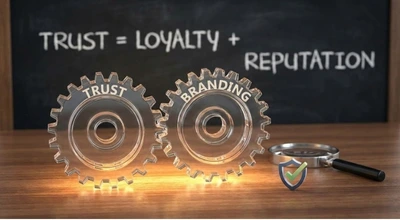
Customers are drawn to brands they feel comfortable interacting with because there are so many options available online nowadays. Trust makes first time purchasers more confident, less hesitant, and devoted supporters. Edelman’s research found that 88% of consumers say trust is an important consideration when choosing which brands to buy from, up from 84% the previous year, trust now ranks just behind value for money and quality as a purchase driver.
What Is Brand Trust and Why Does It Matter in the Digital Age
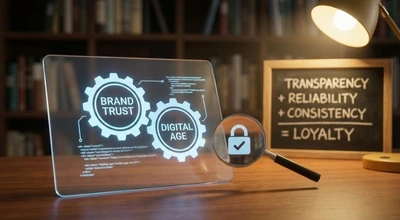
Today, consumers do their homework before making a purchase. They assess brand values, read reviews, and monitor social media activity. Long term trust is strengthened by a continuous positive presence, but a single negative experience can significantly impact the perception of customers.
In the digital age, where reviews, social proof, and transparency are instantly accessible, trust matters more than ever. Customers’ faith in a brand’s capacity to consistently and ethically fulfill its promises is known as brand trust.
Evolution of Branding: From Visibility to Trust
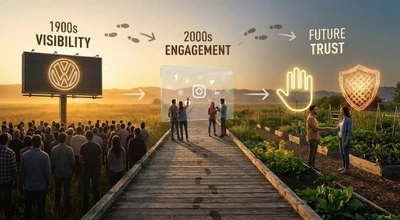
In the past, branding placed a strong importance on advertising and visibility of logos. Modern branding places a higher priority on dependability and emotional connection, even though visibility is still important. Branding is only one piece of a much larger strategy, our guide to the nine digital strategies every brand needs in 2026 shows how the pieces fit together.
The transition from being seen to being believed is where the importance of trust in branding lies. Building this kind of trust helps businesses form long-term customer relationships.
Credibility is frequently a problem for brands that solely concentrate on aggressive promotion. On the other hand, companies that prioritize open communication and dependable experiences develop trust over time.
Why Trust is the Foundation of Successful Branding
All effective branding initiatives are based on trust. Without trust, brand promises seem untrustworthy, and marketing messages seem hollow.
Customers interact with a brand more confidently when
- They have faith in it.
- They are less concerned with cost.
- They are more inclined to suggest the brand.
Branding becomes a meaningful connection rather than a transactional one when trust is present. In competitive markets, trust often determines which brand a consumer chooses.

Trust in Branding for Modern Consumers
Higher Demand for Clarity and Ethics
Consumers today place a high value on accountability, ethics, and transparency, and they expect brands to be truthful about their values, sourcing, pricing, and processes.
Reduced Impact of Exaggerated Marketing
Surface level branding and exaggerated claims no longer impress or affect purchasing decisions in an environment run with advertisements.
Transparency Builds Emotional Reliability
Customers are more emotionally connected to brands that communicate honestly and uphold their values because they are perceived as dependable and can be trusted.
Aligns Brands with Consumer Beliefs
Consumers consistently choose brands that align with their personal values and expectations.
Lowers Risk in Purchasing
Customers are less uncertain during the purchasing process when they have confidence in what to expect.
Minimizes Decision Confusion
Customers do not constantly compare options or second guess their decisions when they are confident in a brand. AI is reshaping brand identity in similar ways, our deep dive into AI generated brand identity explores exactly how.
Encourages Repeat Purchases
Familiarities and confidence replaces hesitation, leading to stronger loyalty and consistent repeat buying behavior by the customers.
Drives Public Support and Long Term Growth
Over the period of time, trust based relationships result in public support for the brand, positive word of mouth by them and sustained business growth.
Trust in Branding for Long Term Business Growth
Lowers the Cost of Acquiring Customers
Recommendations and repeat business naturally contribute to growth and trust which reduces the effort and cost needed to attract in new clients.
Boosts the Lifetime Value of Customers
Consumers who have faith in a brand are more likely to make repeat purchases and remain loyal, which raises the brand’s lifetime value.
Maintains Revenue Streams
Consistent purchasing behavior is encouraged by trust, which helps brands sustain consistent revenue even in times of uncertainty or competition.

Promotes Growth That is Scalable Without Losing Credibility
This is what lets brands scale without compromising authenticity, quality, or customer confidence.
Boosts Brand Sturdiness in the Face of Market Shifts
Trust based brands are better able to adapt to changing consumer behavior, industry disruptions, and economic changes as customers come repeatedly.
Encourages Long Term Strategic Planning
Trust provides a stable foundation that allows businesses to focus on sustainable strategies rather than short term survival tactics.
How to Measure Brand Trust in Business
Many businesses talk about trust, but very few measure it properly. Understanding customer trust helps brands improve performance and long term growth. Some common signs of strong trust include repeat purchases, positive reviews, referrals, and strong customer retention.
When customers search directly for your brand name, engage positively online, and recommend you naturally, trust is growing.
Brand trust is not only emotional. It also creates measurable business results.
Key Factors That Build Trust in a Brand
Brand Transparency
Open communication about products, services, and policies builds credibility. Transparency reinforces the trust in branding by showing customers there is nothing to hide.
Consistent Brand Messaging
Consistency across websites, social media, and customer interactions strengthens brand reliability. Mixed reviews and inconsistency weaken trust, while clarity strengthens it.
Authentic Communication
Brands that communicate honestly, rather than relying on aggressive or pushy selling, build stronger emotional connections. Authenticity plays a key role in reinforcing the importance of trust in branding. Businesses that recognize the value of brand trust often achieve stronger customer loyalty.

Polite and friendly conversations are something that customers crave for.
Customer Experience & Support
Positive experiences, responsive support, and accountability during customer’s issues significantly influence trust perception of customers.
Role of Digital Platforms in Building Brand Trust
Digital platforms act as trust builders. Websites, social media profiles, and online reviews shape how a brand is perceived. Well maintained platforms, genuine engagement, and prompt responses signal professionalism and reliability.
This effect is amplified online, since every interaction is visible and shareable.
How Trust Influences Brand Loyalty and Customer Retention
Increases Confidence and Emotional Security
Long term loyalty is strengthened by trust, which influences how secure and assured consumers feel in their relationship with a brand.
Trust vs Price: Why Customers Choose Brands They Trust
Although cost is important, trust is frequently more important. Because they perceive less risk, consumers are willing to pay more for brands they trust.

Even when competitors offer lower prices or temporary discounts, customers who trust a brand are more likely to stick with it. While trust driven brands create enduring value, brands that solely compete on price find it difficult to retain customers.
Supports Long Term Engagement
Customers are reassured by trust that the brand will continue to live up to their expectations, which makes long term relationships more valuable than immediate savings.
Drives Organic Word of Mouth Growth
Satisfied customers naturally share their experiences with friends, family, and online communities, driving organic word-of-mouth growth. Sincere referrals from reliable consumers have a greater impact than sponsored advertising, enhancing brand credibility.
Produces Long Term Business Growth
Trust driven advocacy and loyalty eventually create a growth cycle that promotes sustained corporate success.
Common Branding Mistakes That Weaken Trust
Inconsistent Messaging Across Platforms
Confusion results from a brand communicating in different ways on its website, social media accounts, and advertisements. Consistency across every channel is what makes a brand feel dependable.
Exaggerated or Misleading Claims
Credibility is damaged by overpromising and underdelivering. Exaggerated marketing messages frequently result in disappointment and a loss of confidence because customers expect honesty.
Poor Customer Service Experiences
Trust can be swiftly destroyed by slow reactions, unresolved problems, or a lack of empathy. A brand’s perceived level of trustworthiness is greatly influenced by its customer service.
A Harvard Business Review analysis found that customers who had the best past experiences with a brand spend 140% more compared to those who had the poorest experiences, making customer service not just a support function but a direct revenue driver.
Budget mistakes and trust mistakes often travel together, our guide on why businesses waste money on digital marketing in 2026 breaks down the most common ones.
Lack of Transparency
It is suspicious to conceal information about costs, rules, or procedures. By making consumers feel informed and valued, transparency increases trust.
Patagonia’s ‘Don’t Buy This Jacket‘ campaign from 2011 is one of the most documented examples of radical transparency building trust. By openly disclosing the environmental cost of their own products, this has been widely cited as contributing to a notable sales increase the following year, proving that honesty about imperfection builds more trust than projecting perfection.

Ignoring Customer Feedback
When brands fail to acknowledge reviews, complaints, or suggestions, customers feel unheard.
According to BrightLocal’s Local Consumer Review Survey 2025, 96% of consumers read online reviews for local businesses, while 42% trust online reviews as much as personal recommendations from friends and family, meaning a brand’s response to negative reviews is now as important as the review itself.
Failure to Take Responsibility
Avoiding mistakes instead of addressing them openly disrupts credibility. Brands that accept responsibility and communicate solutions earn long term respect.
How Brands Lose Trust Quickly
It can take a long time to build trust, but bad choices can quickly break it. Brand reputation can suffer right away from hidden fees, false advertising, fake reviews, and ignoring customer complaints.
Customers lose faith when mistakes are made and communication is slow. Brands that are honest, take responsibility, and fix problems quickly build trust over time.
Patagonia is the Brand Built on Trust
Leading outdoor clothing company Patagonia has made trust its biggest competitive advantage. Transparency, ethical behaviour, and sustainability have been the brand’s top priorities from the start, and every choice is based on these fundamental principles.
For instance, Patagonia freely discloses comprehensive details regarding its materials, supply chain, and environmental impact. This level of openness shows real accountability.
Their “Worn Wear” program, which encourages consumers to fix, reuse, and recycle clothing rather than continuously purchasing new items, is one noteworthy initiative. Patagonia creates an emotional bond with its customers that extends well beyond the product itself by encouraging environmental responsibility. Social media now plays a major role in reinforcing that trust.

Patagonia launched its well known “Don’t Buy This Jacket” campaign on Black Friday in 2011, asking customers to think about how excessive consumption affects the environment. The brand increased customer loyalty and brand advocacy by emphasising honesty and purpose rather than pushing sales. Patagonia’s commitment to transparency and sustainability clearly demonstrates how trust can become a brand’s strongest asset.
More Real Life Examples of Trusted Brands
Apple has earned customer’s trust by making sure that all of its products are the same high quality and work well on all of its devices. Amazon built trust by making things easy, shipping things quickly, and having return policies that put the customer first. Nike has built trust with customers all over the world by having a strong brand identity, sending out the same message all the time, and connecting with them on an emotional level. These brands show that trust is important in branding in all fields, including fashion, retail, and technology.
Trust helps brands become the first choice instead of one of many options.
Zomato India- Trust Rebuilt After a Crisis
In December 2018, Zomato faced a significant trust crisis when a delivery partner was filmed eating from a customer’s food order. Zomato responded publicly within hours, called it a rare human error, and removed the delivery partner from their fleet. Within three months, the company launched ‘Zomato Safely Sealed,’ tamper-proof packaging with a visible seal, first piloted across Delhi NCR, Bengaluru, Hyderabad, Mumbai, and several other major cities. The lesson for every Indian brand: how you respond to a trust breakdown matters more than the breakdown itself.
What We Observe With Indian Small Brands and Trust
For our projects with D2C and local service brands, we informally surveyed 25 small business owners from Delhi NCR about what their clients ask most before purchasing. The responses clearly highlight the importance of trust in branding for small businesses selling in competitive markets.
The top three questions were:
1. “Have you got any Google Reviews?” – asked by 22 out of 25 business owners
2. “Can I see your past work?” – asked by 19 out of 25
3. “Are you on Instagram?” – asked by 16 out of 25
None of the business owners mentioned price as the first thing clients ask about. For each and every business owner, the first question they received from a client is about verification and customer satisfaction that is from Google Review, Portfolio, social media.
This shows that trust matters more than price when a consumer buys from a local business for the first time.
Practical implication: For small businesses, creating and showing trust building elements through reviews, case studies, photographs of clients, etc., is not just a nice to have marketing function, rather, it is the first conversion level that must be switched on even before spending money on advertisements.
How DigiAdGalla Applies This With Client Brands
In our own agency work with Indian SMBs and D2C brands, the pattern we have observed consistently is that brands who publish transparent, educational content, explaining how their services work, what realistic timelines look like, and what results are genuinely possible convert at significantly higher rates than brands running purely promotional content.
Trust is not just a long term brand strategy, it is a short term conversion driver in digital marketing too.
Future of Branding: Why Trust Will Be the Ultimate Differentiator
As technology develops and consumer experiences are shaped by automation, artificial intelligence, and digital saturation, trust will emerge as the key differentiator for brands. Customers are looking for brands that feel trustworthy, ethical, and human in a world where algorithms, advertisements, and automated messages are commonplace.
In an increasingly automated world, trust will determine which businesses stand out and which fade into the background.

Brands that prioritise ethical practices, exhibit operational transparency, and communicate consistently and authentically will hold consumer attention for a long time. Customer loyalty, advocacy, and long term growth will all be impacted by trust, which will no longer be a nice to have.
How AI and Digital Search Increase the Need for Trust
As search engines and AI platforms get better, trusted brands are more likely to get clicks, mentions, and customer attention. People now look at reviews, ratings, website quality, and online presence before making a choice.
Even if they spend a lot of money on ads, brands with low credibility often lose visibility. It’s clear that trust will become even more important in branding as we move into the digital age.
Conclusion: Trust in Branding is Important in a Competitive Digital World
The importance of trust in branding has never been more critical. In today’s digital world, where consumers are exposed to a huge volume of brand messages every single day, often estimated in the thousands, trust has become the most powerful filter determining which brands get through and which get ignored. Beyond marketing, trust is crucial to branding because it affects long term relationships, customer loyalty, and brand perception. A brand gains credibility that competitors find difficult to match when it continuously fulfils commitments, communicates openly, and is consistent with customer values. Reviews and testimonials strongly influence how much a customer trusts you, and that trust drives conversions.
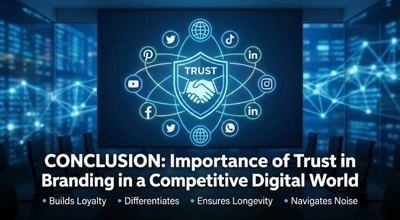
As happy consumers voluntarily share their positive experiences with peers and online communities, trust not only promotes repeat business but also brand advocacy. Companies that invest in trust build devoted communities, stimulate emotional connections, and promote long term company growth in addition to transactional relationships. Ultimately, the Importance of Trust in Branding lies in its ability to transform transactions into relationships, customers into advocates, and businesses into enduring brands.


