Diwali is not a single day of marketing opportunity, it is a six week commercial window, and brands that treat it as a one day sale with string lights on the banner consistently underperform the ones that plan for the full arc of the festival.
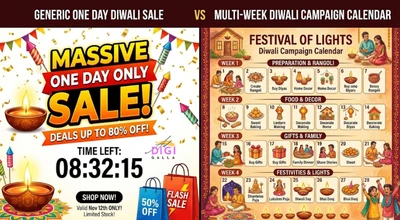
This guide covers Diwali marketing ideas and campaign ideas for brands, Instagram story ideas, a hashtag strategy, and three real, verified campaign examples worth learning from, all in one place.
A Quick Note on Tone Before You Plan Anything
Diwali is a genuinely joyful, widely celebrated festival, but it remains a Hindu religious and cultural occasion at its core, celebrated by an enormous and diverse audience that includes people of other faiths who may not personally observe it. Keep your marketing focused on the universal, secular themes the festival carries for most Indian consumers, light, renewal, family, gratitude, and gifting, rather than deep religious or mythological specifics that could feel exclusionary to part of your audience or that you may not have the cultural authority to represent accurately.
This is not a limitation on how warm or celebratory your content can be, some of the most successful Diwali campaigns lean fully into emotional storytelling. It simply means keeping that storytelling grounded in universally shared values rather than narrow religious framing, which also happens to be exactly what performs best commercially, as the examples later in this guide show.
Why Diwali Marketing Matters More Than Any Other Indian Festival
The Single Largest Commercial Period on the Indian Calendar
Diwali drives the highest concentration of festive commerce anywhere on the Indian calendar, spanning new clothes, gifts, electronics, home décor, jewelry, and vehicles, across both online and offline retail simultaneously.
Genuinely High Online Shopping Behavior
A large majority of Indian consumers now shop online during the Diwali period specifically, according to figures reported by CleverTap’s 2026 Diwali marketing guide, which cites 93% of Indian consumers shopping online during Diwali 2025 and 14 to 15% year over year growth in online retail sales during the period. This is a single source figure worth treating as directional rather than exact, but it is consistent with the broader, well established pattern of Diwali being India’s largest online shopping season.
An Emotional, Not Purely Transactional, Occasion
Diwali’s cultural weight means the brands that connect on an emotional level, family, homecoming, gratitude, consistently outperform those running a purely transactional, discount only message, a pattern that shows up clearly in the real campaign examples covered later in this guide. This does not mean discounting has no place, Diwali sale periods are genuinely effective, but the brands that pair a strong offer with a story worth remembering tend to build lasting brand affinity that carries past the immediate sale, while a pure discount message is quickly forgotten the moment the sale ends and a competitor’s own discount appears in the same feed.
Understanding the Diwali Shopping Timeline
Diwali purchase intent does not spike on a single day, it builds gradually. According to Appbrew’s 2026 Diwali marketing guide for e-commerce, Diwali functions as roughly a six week commercial window rather than a single spike event, with purchase intent building from as early as September and peaking across Dhanteras and Diwali day itself. The same source notes that the most successful brands begin festive planning in August, using September specifically for audience building, gifting focused content, and campaign testing, well before the actual festive rush begins.
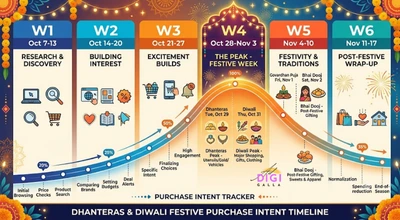
The practical implication is straightforward: a brand that starts its Diwali content and campaigns only in the final week is competing for attention during the most expensive, most crowded advertising window of the entire year, while brands that started weeks earlier have already built warm audiences ready to convert.
Diwali Campaign Ideas for Brands
Family and Homecoming Storytelling
The strongest performing Diwali campaigns consistently center on family reunion and homecoming themes, a natural fit for a festival built around people returning home to celebrate together.
- A short campaign following a customer’s or a fictional character’s journey home for the festival
- Real employee or customer stories about what coming home for Diwali means to them
- Content that treats gifting as an expression of care rather than purely a transaction
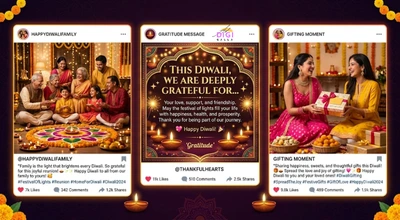
Gratitude and “Giving Back” Campaigns
Diwali’s themes of renewal and prosperity make it a natural moment for brands to highlight community focused or giving back initiatives, provided these are genuine rather than purely performative.
Diwali Sale and Offer Campaigns
Diwali is genuinely the biggest sale period of the year for Indian e-commerce and retail, and running a sale is expected and normal. The key differentiator between brands is whether the sale messaging sits alongside genuine festive storytelling or replaces it entirely, a pattern the case studies later in this guide illustrate clearly.
Gifting Focused Content and Guides
Gift guides, curated collections, and “what to gift” content perform consistently well through the Diwali period, since gifting is one of the festival’s central behaviors. Segmenting these by recipient, gifts for parents, for colleagues, for a first Diwali as a couple, tends to outperform a single generic gift guide.
Diwali Marketing Ideas by Business Type
Not every business should run the same kind of Diwali campaign, and the right approach depends heavily on what you actually sell.
E-commerce and D2C brands benefit most from the full six week timeline covered above, building audience and content through September, running dedicated Dhanteras and Diwali campaigns, and keeping paid ad budgets flexible enough to shift toward whichever campaigns are converting best as the festive window progresses.
Local retail and service businesses tend to see the strongest results from a combination of Google Business Profile updates, festive specific offers, and WhatsApp broadcast campaigns to existing customers, since a large share of Diwali shopping for local businesses still happens through walk ins and repeat customers rather than cold digital discovery.
B2B and service based companies often skip Diwali marketing entirely, which is a missed opportunity. A well timed, genuine gratitude message to existing clients, paired with a small gesture like a corporate gift or a simple year end offer, builds real goodwill during a period when most B2B inboxes are otherwise quiet, precisely because most competitors are not doing it.
Jewelry, electronics, and home goods brands should weight their campaign planning specifically around Dhanteras, covered in more detail below, given how concentrated purchase intent is for these categories on that specific day rather than spread evenly across the full festive window.
Budget Planning for Diwali Advertising
Diwali is also the single most expensive advertising window of the year across nearly every platform, since almost every brand in India is competing for the same audience’s attention simultaneously. Ad costs on platforms like Google and Meta typically rise meaningfully in the weeks immediately surrounding the festival, which is a further, practical reason the early planning window covered earlier in this guide matters, content and audience building work done in September, before costs peak, tends to be considerably more cost efficient than the same work attempted in the final week before Diwali.
If you are new to running paid campaigns and want a grounding in how ad costs and budgeting actually work before your first festive push, our guide to Google Ads for small business covers the fundamentals of setting a realistic budget and tracking what you are actually getting for it, principles that matter even more during a high cost period like Diwali.
Regional and Language Personalization
India’s Diwali celebrations carry genuine regional variation, in timing conventions, associated rituals, and even which day carries the most significance in a given state. A campaign that runs identical creative and copy nationwide misses an opportunity that a more localized approach captures easily, running ad copy and content in regional languages, or timing specific pushes around locally significant days like Bhai Dooj or Govardhan Puja where they matter most to a given audience, tends to outperform a single one size fits all national campaign, particularly for brands with a genuinely pan India customer base.
This does not require a completely separate campaign for every state, even simple language localization on paid ad copy, or acknowledging regional variations in a single piece of content rather than assuming one narrative applies everywhere, meaningfully improves how relevant a campaign feels to a specific local audience.
Diwali Instagram Story Ideas
Instagram Stories are where much of the day to day engagement around Diwali content actually happens, so it is worth planning specific formats rather than repurposing static feed posts.
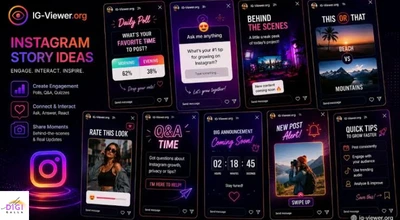
- A countdown sticker leading up to Diwali. Building anticipation over the weeks before the festival performs meaningfully better than a single post on the day itself.
- A gift guide swipe series. Three or four stories, each highlighting one gift idea for a specific kind of recipient, gives followers something genuinely useful rather than purely promotional.
- A poll or quiz sticker tied to festive traditions. Simple, light touch questions about rangoli designs, favorite sweets, or Diwali traditions drive genuine interaction.
- Behind the scenes decoration or prep content. A quick story of your team or store decorating for the festival feels more authentic than a fully polished graphic.
- Customer gifting moments, reposted with credit. Encouraging followers to share their own Diwali gifting or decoration moments and reposting a few extends reach organically.
Platform Wise Diwali Marketing Ideas
Instagram Strategy
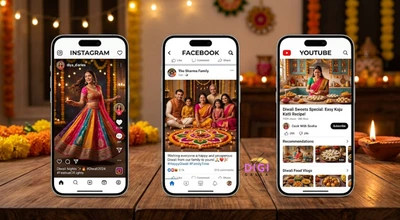
- Reels using festive or emotional background music tied to homecoming and family themes
- Carousel posts walking through gift guides or festive traditions
- The Story formats covered above, spaced through the weeks leading up to the festival
Facebook Strategy
- Longer form storytelling posts that would feel rushed as a Reel
- Community and gratitude focused posts thanking customers and local partners
- Event posts for any in store Diwali activities or sales
YouTube Strategy
Short film style content is where several of the most successful Diwali campaigns, covered in the next section, have actually lived. A well produced short film built around a genuine emotional story tends to be shared and discussed far more than a standard product ad, precisely because it does not feel like an ad while you are watching it.
Three Real Diwali Campaigns Worth Learning From
Tanishq’s “Pehli Diwali” Campaign
Tanishq, the jewelry brand, built a campaign around the concept of life’s “firsts,” a woman’s first Diwali in a new home, a first Diwali as a couple, a first Diwali in a new role in the family, told across a series of short emotional films, according to coverage from both Shiprocket’s roundup of Diwali social media campaigns and International Advertising Solutions’ analysis of Diwali ad campaigns. Both sources describe the campaign’s strength as its focus on genuine, diverse milestone moments rather than jewelry itself as the centerpiece.
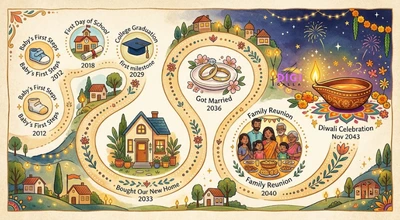
What makes this example worth studying is what it deliberately did not do, the campaign did not center on product specifications or a hard sales pitch. It built emotional relevance first, using real, relatable milestone moments, and let the brand’s connection to gifting and celebration follow naturally from that story rather than being forced into it.
Amazon India’s “#DeliverTheLove” Campaign
For Diwali 2023, Amazon India released a 100 second film showing a daughter rushing home to spend the festival with her family, built around the tagline that the most meaningful deliveries during Diwali are not packages but people coming home, according to CleverTap’s 2026 Diwali marketing guide.
The reason this worked is instructive for a much smaller brand too. Amazon is, at its core, a delivery and logistics company, and this campaign found a genuine, non forced way to connect that core business function to the festival’s real emotional meaning, rather than simply running a discount banner with an Amazon logo on it. A smaller brand does not need Amazon’s production budget to apply the same underlying idea, finding the genuine, specific connection between what your business actually does and what the festival actually means to your customers.
Reliance Digital’s “Iss Diwali Dil Se Baatein Kartein Hain”
Reliance Digital built a campaign around the story of an elderly couple using technology to stay connected with family during the festival, according to Shiprocket’s roundup of Diwali social media campaigns, which describes the film as carrying an emotional, conversational message rather than a product led pitch.
This example is worth including alongside Tanishq and Amazon India specifically because it comes from a consumer electronics retailer, a category that could easily have defaulted to a purely deal driven, discount led festive campaign. Instead, the brand found a genuine emotional thread, staying connected with loved ones, that technology retail can credibly claim a role in, without that claim feeling forced or opportunistic.
What all three examples share is a useful pattern worth naming explicitly: none of them opened with a discount percentage or a product specification. Each found a genuine, specific emotional angle that its own business category could credibly own, and let the commercial message follow from that story rather than lead it.
Dhanteras Deserves Its Own Campaign
Dhanteras, the day preceding Diwali associated with new purchases, particularly gold, silver, and household items, is commonly treated as an afterthought tacked onto a broader Diwali campaign. According to the Appbrew guide referenced earlier, Dhanteras deserves its own dedicated campaign with distinct creative assets and offer structure, run as a focused 48 hour push separate from the main Diwali campaign that follows it.
This matters specifically for categories like jewelry, electronics, home goods, and vehicles, where Dhanteras purchase intent is genuinely distinct from general Diwali gifting, treating the two as one continuous campaign risks diluting the specific urgency Dhanteras carries for these categories.
Don’t Stop at Diwali: Bhai Dooj and the Days After
Diwali marketing does not end on Diwali day itself. Bhai Dooj, the festival celebrating the bond between brothers and sisters, follows close behind, and brands that maintain their campaign momentum through this period, rather than switching off the moment Diwali day ends, tend to see continued engagement and a second wave of gifting purchases.
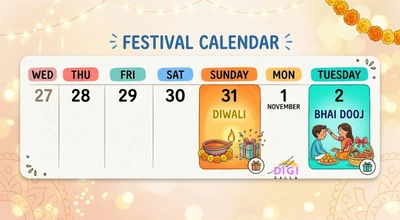
For categories like gifting, fashion, and personal care specifically, this post Diwali window through Bhai Dooj is worth treating as a genuine second campaign phase rather than a quiet wind down period.
Measuring Whether Your Diwali Campaign Actually Worked
A festive campaign that generates a lot of likes and shares is not automatically a successful one, and it is worth deciding upfront what success actually means for your specific business before the campaign goes live. For a retail or e-commerce brand, this usually means tracking actual sales and conversion rate during the campaign window against the same period last year, not just engagement metrics on individual posts. For a B2B or service business running a gratitude focused campaign, success looks different, tracking whether client relationships and referral conversations genuinely warmed up in the weeks following the campaign, which is a slower, less immediately measurable signal than an e-commerce conversion.
Whatever the specific metric, set it before the campaign starts rather than deciding after the fact which number looks best. This also makes the following year’s campaign meaningfully easier to plan, since you will have a real baseline to compare against rather than starting from scratch each Diwali.
Diwali Hashtag Strategy
High reach: #Diwali2026 #HappyDiwali #FestivalOfLights
Engagement focused: #DiwaliVibes #DiwaliGifting #DiwaliWithFamily
Brand specific: Create a simple branded hashtag like #[YourBrandName]Diwali and use it consistently, building a discoverable archive of your own festive content year over year.
As with other festive content, posting hashtags in the first comment rather than crowding the caption keeps the post visually clean while still supporting discoverability.
A Hypothetical Example: Planning a Small Business’s First Diwali Campaign
To make this concrete, here is a hypothetical example based on patterns commonly seen in this kind of planning, not a real client case.
Imagine a small home décor brand that has only ever run a single Diwali sale post in past years, published the day before the festival. A business in this position would typically start planning in early September rather than the final week, building a short gift guide content series first, followed by a Dhanteras specific push, and finally the main Diwali campaign itself, rather than compressing everything into a single last minute post.
A business following this kind of approach would typically expect early content to build a warmer, more engaged audience heading into the actual festive sale period, rather than trying to convert cold traffic in the final, most competitive and expensive week. This is illustrative only, and the right timeline depends on your own business’s product category and audience.
Common Diwali Marketing Mistakes
Starting campaign planning too late. As covered throughout this guide, Diwali purchase intent builds over roughly six weeks, a campaign that only begins in the final week is competing in the most expensive, most crowded advertising window of the year with no head start.
Treating Dhanteras as an afterthought. For categories like jewelry, electronics, and home goods specifically, Dhanteras carries distinct purchase intent that deserves its own dedicated push rather than being folded into a single generic Diwali campaign.
Leading entirely with discounts and no genuine storytelling. As all three real campaign examples in this guide show, the strongest performing Diwali content builds emotional relevance first and lets the commercial message follow naturally, rather than opening with a pure discount pitch.
Stopping all activity the moment Diwali day ends. Bhai Dooj and the days following Diwali represent a genuine continuation of the festive shopping period, not a quiet wind down, and switching off campaigns too early leaves this window unaddressed.
Running identical, un localized creative across every region. As covered earlier in this guide, India’s Diwali celebrations carry real regional and linguistic variation, and a single generic national campaign tends to feel less relevant to any one specific audience than even modest localization would.
Failing to define success metrics before the campaign launches. Without a clear, agreed measure of success decided in advance, it becomes easy to judge a campaign purely by vanity metrics like likes and shares after the fact, rather than the outcome that actually matters for your specific business.
Frequently Asked Questions
Diwali marketing questions tend to cluster around timing, budget, and tone, the three themes covered in most depth throughout this guide.
When should a brand start planning its Diwali marketing?
Based on current guidance from e-commerce marketing sources, planning should ideally begin around August, with September used for audience building and content testing, well ahead of the main festive shopping surge around Dhanteras and Diwali itself.
Should every brand run a Diwali sale?
Most retail and e-commerce brands benefit from some form of Diwali offer, since it is the single largest sale period on the Indian calendar, but the strongest campaigns pair this with genuine storytelling rather than relying on discounting alone.
Is Dhanteras worth marketing separately from Diwali?
Yes, particularly for jewelry, electronics, home goods, and vehicle categories, where Dhanteras carries genuinely distinct purchase intent. Treating it as a dedicated 48 hour campaign rather than folding it into general Diwali messaging tends to perform better for these categories.
How long should a brand keep running Diwali related content?
Meaningful festive engagement typically continues through Bhai Dooj, which follows a few days after Diwali, rather than ending the moment Diwali day itself is over.
Is it risky for brands to reference Diwali’s religious meaning directly?
It is worth treating with care. Diwali is a Hindu religious and cultural festival at its core, and content that stays focused on its universal, widely shared themes, light, family, renewal, gratitude, tends to resonate broadly without risking feeling exclusionary to the diverse audience most brands are actually speaking to.
Should a B2B business bother with Diwali marketing at all?
Yes, though the approach should look different from a consumer retail campaign. A genuine gratitude message to existing clients, paired with a small, thoughtful gesture, tends to build real goodwill during a period when most competitors’ B2B communication goes quiet, which makes it a relatively low cost, high visibility opportunity precisely because so few B2B brands actually take it.
How is Diwali advertising different from advertising the rest of the year?
Beyond the emotional and cultural framing covered throughout this guide, the most practical difference is cost. Ad prices across platforms like Google and Meta typically rise meaningfully during the weeks surrounding Diwali as competition for the same audience peaks, which is a further reason early planning and audience building in September tends to be more cost efficient than concentrating all activity into the final week.
Final Thoughts
Diwali marketing works best when a brand treats it as the extended commercial season it actually is, planning weeks ahead, giving Dhanteras its own moment, and building genuine emotional storytelling around family and gratitude rather than relying purely on discount banners. All three real examples in this guide, Tanishq, Amazon India, and Reliance Digital, succeeded for the same underlying reason, they found a genuine, specific connection between what their brand does and what the festival actually means to people, and let that carry the campaign rather than a hard sales pitch.
You can also check out our other festive marketing guides for more seasonal inspiration:
Independence Day Marketing Ideas
Valentine’s Day Marketing Ideas
If you want help planning your brand’s Diwali content calendar or your broader festive marketing strategy for the year, DigiAdGalla works with businesses across Delhi NCR on exactly this. You can see our social media marketing services or get in touch to start planning ahead of the festive season.