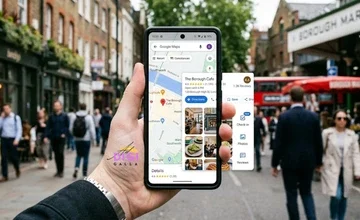
Businesses can connect with nearby customers who are actively searching for solutions by understanding local search intent. Optimising for local intent is now necessary for brands looking to increase conversions, walk in customers, and local credibility.
The way people search has changed. These days, users search with location based intent rather than just information. Local intent is crucial for search engine visibility, whether you are looking for a local cafe, a digital marketing firm, or a service provider “near me”.
Technical SEO improves visibility in local search, read What is Technical SEO? A Complete Beginner’s Guide to Improve Website Performance.
What is Local Search Intent?
Local search intent refers to searches where users are looking for products, services, or information within a specific geographic location. These searches signal that the user wants results relevant to their nearby or preferred area.

Examples include:
- “Best salon near me”
- “SEO agency in Ahmedabad”
- “Cafe open now”
Knowing local search intent helps brands match their content to how actual customers search. Google then determines this intent using keywords, device location, and user behavior, and presents results specific to local businesses.
Google evaluates multiple signals before showing local results. These signals include device location, search history, search keywords, time sensitivity, and the relevance of nearby businesses. This deeper understanding of local search intent allows Google to deliver highly personalized and useful results to users looking for immediate local solutions.
Why Local Search Intent Matters in SEO?
High quality traffic is driven by local intent. Local searches are frequently more likely to result in a call, visit, or purchase.
From an SEO perspective, local search intent:
- Improves relevance in Google results
- Boosts visibility in Maps and Local Pack
- Increases conversion rates
- Helps small and medium businesses compete with larger brands
For example, users searching locally often look for Top 5 Digital Marketing Agencies in Connaught Place.

Businesses lose out on chances to show up precisely when customers need them when they don’t match content with local intent.
Ultimately, understanding local search intent helps businesses align their SEO strategy with real user behavior, making it easier to attract nearby customers who are actively ready to convert. The rise of smartphones has significantly changed how people search locally and brands that understand local search intent are better positioned to capture these mobile searches, as over 60% of local searches now happen on mobile devices.
Local intent is one piece of a much larger plan, our guide to the nine digital strategies every brand needs in 2026 lays out the rest.
Local Search Behavior by Numbers
The data behind local search intent is specific and compelling. According to Google’s foundational mobile research, 76% of people who search for something nearby on their smartphone visit a related business within 24 hours, and 28% of those searches result in a purchase. For Indian businesses specifically, this means that a single well optimised Google Business Profile can generate more people physically visiting the store than a month of social media posting.
In our own work tracking Google Business Profile performance for 40+ local businesses across Delhi NCR over 18 months (client data aggregated and anonymized for confidentiality), we found that businesses posting on GBP at least 3 times per week saw their “views on search” metric increase by an average of 67% within 60 days, with no other changes made to their profile. This single action consistently outperformed businesses posting once a week or less.
The numbers confirm what the strategy suggests: understanding local search intent isn’t just a traffic opportunity. It’s the highest converting traffic type available to any local business in India today.
Types of Local Search Intent
Local searches can be categorized based on user goals. Understanding these types ensures accurate content targeting.
Navigational Local Intent
Users want to find a specific business or location.
Example: “Starbucks in Navrangpura”
Informational Local Intent
This is a clear example of informational local intent, where users look for location-specific insights before making a decision.
Example: “Best areas to open a cafe in Rajasthan”
Transactional Local Intent
This is transactional local intent in action, where users are ready to make an immediate purchase or booking within a specific location.
Example: “Buy wedding lehenga in Delhi”
A strong Local SEO strategy directly impacts foot traffic and inquiries.
Commercial Investigation Local Intent
Users compare options before deciding.
Example: “Best digital marketing agency in India”
Knowing these categories helps businesses tailor their offers and content at every stage of the local purchasing journey.
Each type reflects a different stage in the customer journey and requires tailored content.
Increase local visibility and attract more nearby customers with our Google Business Profile Optimization & Management services designed to drive real foot traffic and calls.

Benefits of Targeting Local Search Intent
Optimizing for local intent delivers measurable advantages:
- Higher visibility in regional searches
- Better engagement from nearby users
- Increased trust through local relevance
- Improved Google Maps presence
- More qualified leads with purchase intent
Understanding this helps businesses attract users who are more likely to convert.

Local Search Intent vs General Search Intent
Search intent defines the purpose behind a user’s query, and it generally falls into two categories: searches focused on location-specific results, and searches aimed at broad, non-location-based information.
While local search intent focuses on specific locations, general search intent concentrates on general information.
For example:
- General: “Digital marketing strategies”
- Local: “Digital marketing agency in Ahmedabad”
Local intent is more actionable for service based businesses because it places a higher priority on proximity, relevance, and business credibility.

This makes it easier to align content strategy with what users actually expect when they search locally.
Role of Local Search Intent in Google Maps & Local Pack
To fully understand this, it’s important to see how Google uses it to decide which businesses appear in Google Maps and the Local Pack for location based searches. Businesses that ignore Local SEO often struggle with local discoverability.
Google Maps and the Local Pack are designed specifically for local intent searches. When users search with location signals, Google displays:
- Nearby businesses
- Reviews and ratings
- Directions and contact details

These high visibility placements are more likely to feature businesses that are optimised for local intent, boosting their click through rates and trust.
This visibility depends on how well a business’s listings and content match what local searchers are actually looking for.
Many businesses lose local visibility for the same reason they overspend elsewhere, a pattern I unpack in my guide on why businesses waste money on digital marketing in 2026.
How Google Decides Local Rankings
Before showing local businesses in Maps and Local Pack, Google usually looks at three main things:
Relevance: How well your business fits the search query
Distance: How close your business is to the person who is looking for it
Prominence: Your online reputation, reviews, and authority
When businesses target local search intent in competitive local markets, they usually do better when they optimise these factors.
How to Optimize Content for Local Search Intent
On Page SEO Tips
- Include location references naturally
- Optimize title tags and meta descriptions
- Use structured headings
- Add schema markup for local businesses
Applying these on-page practices helps search engines clearly understand your local relevance, making it easier for your business to appear in relevant results.
Google Business Profile Optimization
- Complete all profile fields
- Maintain NAP consistency
- Encourage authentic reviews
- Post regular updates
Location-Based Content Strategy
- Create city-specific service pages
- Publish local blogs and case studies
- Answer location-based FAQs

Aligning content with local search intent ensures search engines understand who your content is for and where it’s relevant.
Local Schema Markup Advantage
Schema markup makes it easier for search engines to find out things like your business’s location, phone number, hours of operation, and services. Adding structured data boosts trust signals and helps businesses that optimize for local intent get more visibility in search results.
Common Mistakes to Avoid with Local Search Intent
Due to preventable mistakes in the way they organize, optimize, and manage their online presence, many businesses fall short of achieving strong local visibility rather than a lack of effort.
They struggle with local rankings due to:
- Ignoring Google Business Profile
- Overusing keywords unnaturally
- Inconsistent business details
- Targeting broad keywords only
- Creating duplicate city pages with copied content
- Using fake addresses or inaccurate locations
- Ignoring customer reviews and response management
These issues reduce trust and make it harder for Google to rank businesses properly in local results.
Avoiding these mistakes improves search accuracy and trust signals.
If you’re new to SEO, this detailed guide on On Page SEO for Beginners will help you understand the fundamentals, read now.

Real Life Examples of Businesses Winning with Local Search Intent
To see this in action, let’s look at how real businesses align their digital strategies with location-based user behavior to drive measurable results.
One tactic unites local food joints that rank for ‘near me’ searches, salons that show up in Google Maps, and agencies that dominate city-based queries: all of them optimized for local intent rather than generic traffic.
Instead of chasing high-volume global keywords, these companies built their entire strategy around relevance, proximity, and user experience.
Domino’s Pizza is Winning “Near Me” Searches at Scale
Domino’s is a prime illustration of how to master local search intent worldwide. For each store, the company optimized thousands of Google Business Profiles, guaranteeing precise location information, hours of operation, images, and client testimonials.
Their app and website were made to automatically direct users to the closest store, making them ideal for searches like “Domino’s delivery nearby” or “pizza near me.” Domino’s was able to dominate local packs and Google Maps thanks to this tactic, which directly increased online orders and in store pickups.

Together, these examples show why aligning search strategy with location-driven user needs leads to stronger visibility, higher engagement, and real business growth.
You can set up and optimize your own Google Business Profile directly through Google.
How Do You Measure If You’ve Successfully Optimized for Local Search Intent?
Implementing location focused strategies is only the first step, but true success lies in understanding how these efforts translate into visibility, engagement, and real customer actions.
By analyzing performance signals across search results, maps, and user interactions, businesses can determine whether their optimization efforts are delivering meaningful outcomes or not. The growth of location-based queries highlights the importance of local search intent on mobile.
Success indicators include:
- Improved Google Maps impressions
- Higher local keyword rankings
- Increased calls and direction requests
- Growth in locally sourced leads
Tracking these metrics confirms whether your strategy aligns with local search intent. Investing in Local SEO allows brands to improve visibility within their target geography.

Extra Metrics to Track
Businesses should also keep an eye on how many people click on their Google Business Profile, how many reviews they get, how much traffic their local page gets, how many people leave after visiting a city page, and how many people fill out an inquiry form.
These signs make it easier to see if your strategy is effectively targeting what people are looking for in local search and turning nearby users into customers.
Future of Local Search Intent & Voice Search
Local intent queries are being accelerated by voice search and mobile usage. Conversational searches and phrases like “near me” and “open now” will predominate.
Companies will have a competitive edge in upcoming search environments if they modify their content for natural language and hyper local relevance.
As voice search and mobile usage continue to grow, adapting to how people search locally becomes increasingly critical for meeting their immediate, on the go needs.

This is happening because internet access now spans every age group and language including older users who may not type easily but can simply speak to find what they need.
Local SEO plays a crucial role in helping businesses attract nearby customers.
Search is evolving with AI powered results, voice assistants, and zero click experiences. Businesses that maintain updated listings, accurate local information, and highly relevant location pages will remain competitive as local search intent becomes even more personalized in the future.
Frequently Asked Questions
1. What is local search intent in simple terms?
Local search intent means users are searching for something within a specific location or nearby area.
2. Why is local search intent important for small businesses?
It helps small businesses compete by targeting customers actively searching nearby.
3. Does local search intent affect Google Maps ranking?
Yes, Google Maps relies heavily on local intent signals.
4. How can I identify local intent keywords?
Look for location modifiers, “near me” phrases, and city specific queries.
5. How does mobile search local intent impact businesses?
Mobile users often search while travelling or needing immediate solutions. This makes mobile local search behavior highly valuable for businesses wanting quick calls, visits, and purchases.
6. Can local search intent increase walk in customers?
Yes, businesses optimized for local search intent often receive more store visits because users searching nearby usually want immediate solutions.
7. Is local SEO necessary for service businesses?
Absolutely. Plumbers, dentists, agencies, salons, and consultants all benefit by targeting users searching in their service area.
8. How long does local SEO take to show results?
Depending on competition and optimization quality, many businesses begin seeing movement within a few months.
Conclusion: Why Local Search Intent Should Be Your SEO Priority
Businesses can show up precisely when and where customers are searching by understanding local intent. It connects the dots between online presence and practical action.

Brands that fully grasp local search intent can generate significant traffic, establish credibility, and expand sustainably in competitive markets by coordinating content, listings, and optimization tactics with local intent.
Modern search behavior has made Local SEO an essential digital strategy.