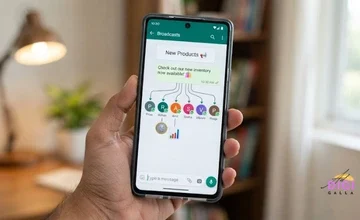
If your leads currently live across a notebook, a spreadsheet, and a few dozen WhatsApp chats, the problem is not that you are disorganized, it is that you have outgrown the tools you are using to track them.
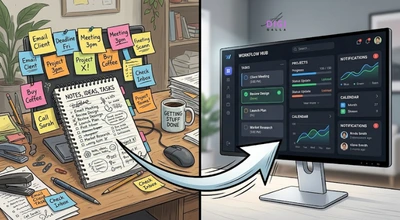
This guide compares the best CRM for small business use in 2026, what each one actually costs as of this writing, who it genuinely fits, and how to think about it as part of your broader marketing setup rather than a standalone purchase.
Why a Small Business’s CRM Choice Also Affects Its Marketing
A CRM is not just a sales tool. It is where every lead your marketing generates, whether from SEO, paid ads, or social, actually ends up. If that handoff is messy, you can run excellent campaigns and still lose deals simply because no one followed up on time.
This is closely tied to a point we make in why traffic alone never grows a business, visitors and leads only matter if something real happens after they arrive. A CRM is the system that decides whether that follow-up actually happens, which is also why it fits naturally into the digital marketing funnel rather than sitting apart from your marketing work.
What to Actually Look for Before You Compare Any CRM
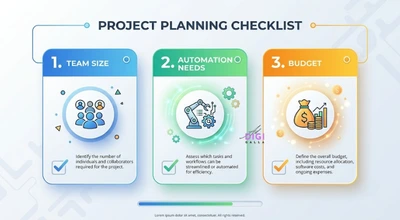
Before comparing specific tools, get clear on three things: how many people actually need to log in, whether your team needs marketing automation built in or just a place to track deals, and how much you can realistically commit to spending as you scale. A CRM that fits a five-person team often stops fitting at fifteen, and switching systems later is more disruptive than picking carefully now.
It also helps to separate what a tool includes for free from what it charges for later. Several CRMs advertise a generous free tier that becomes noticeably more limited once you actually try to automate follow-ups or run reports.
HubSpot CRM: Best Free Starting Point
HubSpot’s core CRM has a genuinely free-forever plan, covering contact management, deal pipelines, and basic email tracking, which makes it a reasonable first step for a business moving off spreadsheets. Paid plans start at roughly $20 per user per month as of mid-2026 and unlock automation, custom reporting, and additional marketing and service tools, according to HubSpot’s own pricing page.
The trade-off is that the free plan is a foundation, not a destination. Deeper automation and reporting sit behind paid tiers that can add up as a team grows, so it is worth treating the free plan as a genuine starting point rather than a long-term free solution.
Zoho CRM: Best Value for a Growing Small Team
Zoho CRM offers a free edition for up to three users, covering basic lead, contact, and deal tracking. Paid plans start at around $14 per user per month for the Standard tier and scale up through Professional and Enterprise tiers toward roughly $40 to $52 per user per month, based on pricing tracked by G2.
Zoho tends to appeal to small businesses that want strong functionality without Salesforce-level pricing, though it comes with a real learning curve: the interface and setup process are less immediately intuitive than some of the simpler tools on this list.
Freshsales: Simple and Budget-Friendly for Sales-Focused Teams
Freshsales, part of Freshworks, offers a free plan for up to three users and a low-cost entry tier, with paid plans starting around $9 per user per month and scaling to roughly $39 and $59 per user per month on its Pro and Enterprise tiers, based on figures tracked by Vendr’s marketplace data. Freshworks has also been expanding Freshsales’ AI features, including tools aimed at flagging at-risk deals, worth checking their current feature list for the latest specifics.
Freshsales works well for small sales teams that want a straightforward, sales-first tool without a large marketing suite attached to it.
Pipedrive: Best for a Pure, Visual Sales Pipeline
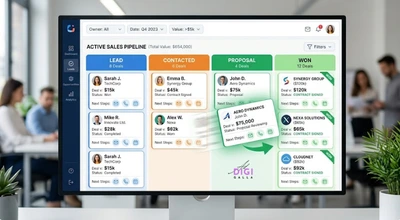
Pipedrive is built around a visual, drag-and-drop pipeline rather than a broader marketing platform, which makes it a strong fit for small sales teams that want something simple to keep updated. It does not offer a permanent free plan, only a free trial, and its tier names and pricing have been restructured more than once over the past year, so exact current numbers are genuinely worth confirming directly on Pipedrive’s own pricing page before you commit to a plan.
monday CRM: Best for Teams That Want a Fully Customizable System
monday CRM is built on the monday.com work management platform, giving it a highly visual, customizable board-based interface rather than a traditional CRM layout. It has no permanent free plan, requires a minimum of three seats, and paid tiers run from about $12 per user per month on the entry Basic tier up to $28 per user per month on Pro, with a custom-priced Enterprise tier above that, based on figures tracked by G2.
This tool suits teams that already use monday.com for projects and want their sales pipeline to live in the same system, rather than teams looking for the simplest possible starting point.
Salesforce Starter Suite: Best for Businesses Planning to Scale
Salesforce Starter Suite is priced at $25 per user per month according to Salesforce’s own pricing page, positioned as a simplified entry point into the wider Salesforce ecosystem. It bundles basic sales, service, and marketing tools together and includes Slack at no extra cost.
The appeal here is less about the starting price and more about the runway. A business that expects to scale significantly over the next few years may prefer starting on a platform it will not need to abandon later, even if it costs more up front than some of the other options here.
Best CRM for Small Business: A Side-by-Side Snapshot
If you are choosing quickly, the shorthand version looks like this: pick HubSpot if you want the most generous free tier, Zoho if you want strong value as your team grows, Freshsales if you want something simple and sales-focused on a small budget, Pipedrive if you want the cleanest visual pipeline with no marketing suite attached, monday CRM if you already live inside monday.com, and Salesforce Starter Suite if you are building for scale from day one.
None of these is objectively the best CRM for small business use in every case. The right one depends entirely on your team size, budget, and how much of your marketing you want living in the same system.
A Hypothetical Example: Choosing a CRM as a Growing Team
To make this concrete, here is a hypothetical example based on patterns commonly seen in this kind of decision, not a real client case.
Imagine a five-person service business that has been tracking leads in a spreadsheet for two years. Leads from Google Ads and Instagram get added manually, and follow-ups are easy to forget once the week gets busy. The team is not ready for a large monthly software bill and does not need deep marketing automation yet, just a reliable place to see every lead and know who needs a follow-up call today.
A business in this position would typically start with a free or low-cost tier from a tool like HubSpot or Freshsales, focusing purely on getting every lead into one system and building the habit of logging every call and follow-up consistently. Only once that habit is solid and the team has outgrown the free tier’s limits does it usually make sense to evaluate a paid upgrade or a different platform. This is illustrative only, and the right starting point depends on your own team’s size, budget, and sales process.
Common Mistakes When Picking a CRM
Choosing based on brand recognition alone. The most well-known CRM name is not automatically the best fit for a five-person team’s budget and workflow.
Ignoring the marketing side entirely. A CRM chosen purely for sales tracking can leave marketing and sales working from two disconnected pictures of the same customer.
Underestimating the switching cost. Moving years of contact and deal history from one CRM to another is disruptive, so it is worth choosing carefully rather than assuming you can easily switch later if it does not work out.
Frequently Asked Questions
- What is the best CRM for small business in 2026?
There is no single best option for every business. HubSpot suits teams wanting a free starting point, Zoho and Freshsales suit budget-conscious growing teams, Pipedrive suits pure sales-pipeline use, monday CRM suits teams already on monday.com, and Salesforce Starter Suite suits businesses planning to scale significantly.
- Is there a genuinely free CRM for small business use?
Yes. HubSpot, Zoho, and Freshsales all offer real free tiers as of 2026, though each comes with limits on users or features that typically require a paid upgrade as a team grows.
- How much does a small business CRM cost per month?
Entry-level paid plans generally range from about $9 to $25 per user per month across the tools covered here, though exact pricing changes fairly often, so it is worth checking each vendor’s current pricing page before deciding.
- Do I need a CRM if my team is very small?
Even a two or three-person team benefits from a CRM once leads start coming from more than one source, since a shared system prevents leads from getting lost between people or forgotten entirely.
- Should my CRM be connected to my marketing tools?
Ideally, yes. A CRM that is disconnected from your marketing means no one can see which campaigns are actually producing leads that turn into real business, which is part of why this decision is worth thinking through alongside your broader marketing setup.
Final Thoughts
The best CRM for small business use is rarely the most feature-heavy one. It is the one your team will actually update consistently, priced in a way you can commit to, and connected closely enough to your marketing that leads do not fall through the cracks between the two.
If you want help connecting your CRM setup to the marketing that feeds it, DigiAdGalla works with businesses across Delhi NCR on the full funnel from lead generation through follow-up. You can see our full services page or get in touch to talk through what would actually fit your team.