Hostinger’s homepage price is genuinely one of the lowest in web hosting, and that same low number is also the reason most Hostinger reviews end up misleading, since almost nobody buys hosting for one month and walks away.
This Hostinger review covers what you actually pay across the full term, not just the homepage number, along with performance, ease of use, and genuine pros and cons, with every specific figure sourced.
Quick Verdict: Who Hostinger Actually Fits
Hostinger is a strong fit for beginners, bloggers, and small business owners who want low-cost, reliable shared hosting and are comfortable committing to a longer billing term upfront. It is a weaker fit for anyone who wants short, flexible monthly billing, or for sites with heavy traffic that will quickly outgrow shared hosting’s shared resources.
If you are specifically choosing hosting for a WordPress site, our broader guide to WordPress hosting compares Hostinger alongside other options, this review goes deeper on Hostinger specifically.
Hostinger Pricing: What You Actually Pay
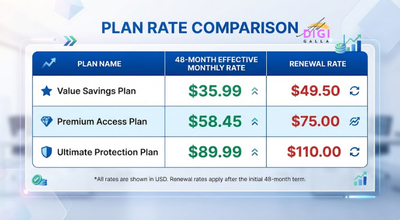
According to Hostinger’s own official pricing page, the 48-month term for Premium web hosting costs $143.52 total, which works out to $2.99 a month, and renews at $10.99 a month once the term ends. Business web hosting on the same 48-month term costs $191.52 total, working out to $3.99 a month, and renews at $16.99 a month. Cloud Startup costs $383.52 for 48 months, working out to $7.99 a month, and renews at $25.99 a month.
These are the official numbers directly from Hostinger’s pricing page as accessed for this review. Shorter terms and active promotional codes can push the entry price lower still, several independent trackers cite promotional rates as low as $1.99 a month on Premium, but the 48-month official rate above is the number to plan a budget around, since promotions change frequently and are not guaranteed to be available when you check out.
The Renewal Price Jump, Explained Properly
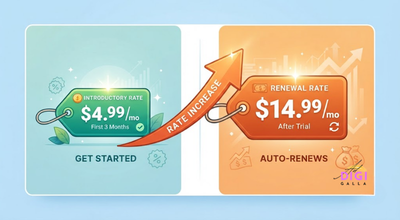
This is the single most important thing to understand before buying Hostinger, or honestly, most budget web hosts. The Premium plan’s jump from $2.99 to $10.99 a month is roughly a 3.7x increase once your term ends, and this pattern, low intro rate, meaningfully higher renewal, is consistent across nearly every independent Hostinger review checked for this piece, including detailed breakdowns from StackScored and BearHost, both of which pulled their figures directly from Hostinger’s own pricing page.
This is not unique to Hostinger, most budget shared hosts use some version of this model, but Hostinger’s gap between intro and renewal pricing is large enough that it genuinely changes the value calculation on a longer hold. The practical takeaway: budget for the renewal price, not the homepage price, and set a reminder before your term ends in case you want to renegotiate, downgrade, or switch providers.
Performance and Infrastructure
Hostinger’s shared and cloud hosting infrastructure runs on LiteSpeed web servers, AMD EPYC processors, and NVMe SSD storage, paired with a Cloudflare-powered CDN, a combination independently confirmed across multiple reviews including Googiehost’s plan-by-plan breakdown. Hostinger publishes a 99.9% uptime SLA across its hosting plans.

Independent hands-on testing by Cybernews reported 100% uptime in their most recent testing round, though it is worth treating any single testing period as a snapshot rather than a permanent guarantee, uptime can vary across data centers and time periods.
Ease of Use: hPanel and the Kodee AI Assistant
Hostinger uses its own custom control panel, hPanel, instead of the more common cPanel used by many competing hosts. Multiple reviews, including TechRadar’s, describe hPanel as genuinely easier to navigate for beginners than cPanel, with one-click WordPress installation and a built-in AI assistant called Kodee that helps with setup questions and basic troubleshooting.
This matters specifically for a beginner audience, a confusing control panel is one of the more common reasons a new site owner gets stuck early on, and hPanel’s more modern, guided interface genuinely lowers that barrier compared to older-style hosting dashboards.
What You Get on Each Plan
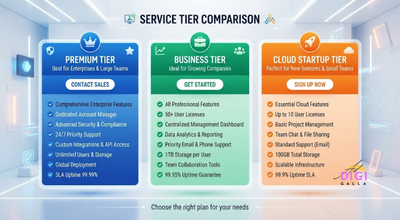
Premium suits a single new website with modest traffic, and includes a free domain for the first year, a free SSL certificate, and enough storage for most blogs or small business sites just getting started.
Business adds daily backups, staging environments, and higher resource limits, which matters once a site starts seeing consistent traffic or runs WooCommerce.
Cloud Startup moves to dedicated cloud resources rather than shared server capacity, aimed at sites that have outgrown shared hosting’s resource ceiling but are not ready for the added complexity of a full VPS setup.
Beyond shared and cloud hosting, Hostinger also sells VPS hosting starting around ₹599 a month on promotional pricing, a website builder, and business email plans separately, all priced and sold outside the shared and cloud plans covered in detail here. If your needs extend beyond a standard website, for example a resource-heavy application or a fully managed VPS setup, our dedicated guide to VPS hosting covers Hostinger’s VPS lineup alongside other providers in more depth.
Customer Support
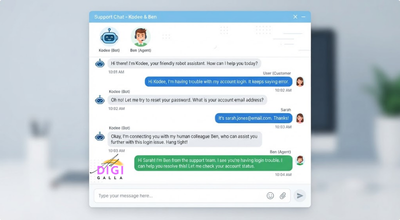
Hostinger offers 24/7 support through live chat, along with the Kodee AI assistant for immediate, simpler questions. Reviews are more mixed here than on pricing or infrastructure, WHM Blog’s review specifically flagged that support quality can vary under high load, which is worth factoring in if reliable, fast support matters a lot to you specifically, since this is a more subjective, harder-to-verify claim than a published pricing figure.
For most beginners, Kodee handles a fair share of routine questions, installing WordPress, connecting a domain, troubleshooting a common error, before a live chat conversation is even necessary, which reduces how often support quality actually becomes a bottleneck in practice.
Hostinger Review: Genuine Pros and Cons
Pros:
- Genuinely low renewal-adjusted cost compared to many competitors when measured over a full multi-year hold
- Fast, modern infrastructure, LiteSpeed, NVMe SSD, and a bundled CDN, for the price point
- hPanel is a real usability improvement over older-style control panels for beginners
- 30-day money-back guarantee, giving a low-risk way to test the service
Cons:
- The renewal price jump is real and needs to be budgeted for, not just the homepage price
- TechRadar’s hands-on review noted heavily throttled write speeds on the shared plans specifically, worth knowing if you expect to outgrow shared hosting quickly. Hostinger does offer separate VPS hosting for sites that need more control or resources, covered in more detail in our own guide to VPS hosting.
- Long billing terms, up to 48 months, require a real upfront commitment to get the lowest advertised rate
- Support quality has been reported as inconsistent under heavier load, per the WHM Blog review above
A Hypothetical Example: Choosing the Right Plan
To make this concrete, here is a hypothetical example based on patterns commonly seen in this kind of decision, not a real client case.
Imagine a small business owner launching their first website, a simple service-based site expecting a few hundred visitors a month at first. A business in this position would typically start with the Premium plan on a longer term to lock in the lower effective rate, rather than Business, since Business’s extra features, staging, daily backups, mostly matter once traffic and complexity grow.
A team following this kind of approach would typically plan to reassess at renewal time, checking whether traffic has grown enough to justify moving to Business or Cloud Startup, rather than automatically renewing the same plan without checking whether it still fits. This is illustrative only, and the right plan depends on your own site’s actual traffic and complexity.
Common Mistakes When Buying Any Hosting Plan
Buying based on the homepage price alone. As this review covers in detail, the renewal price is the number that actually matters for anyone planning to keep a site running long-term.
Choosing the longest term without a real reason. A 48-month commitment gets the lowest rate, but only makes sense if you are confident you will still want this specific host in four years, a shorter term costs more per month but keeps you more flexible.
Ignoring the money-back guarantee window. Testing the actual hosting experience during the guarantee period is the cheapest way to confirm a host fits before you are financially committed to a longer term.
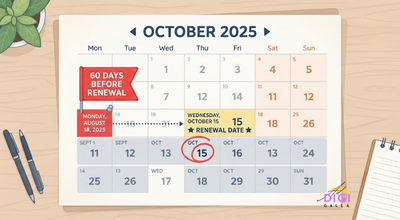
Not setting a renewal reminder. Several independent reviews specifically recommend setting a calendar reminder roughly 60 days before your term ends, giving enough time to compare current pricing, negotiate, or switch providers if needed, rather than being auto-renewed at the full rate without noticing.
Frequently Asked Questions
- Is Hostinger actually good in 2026?
For beginners, bloggers, and small business sites on shared or cloud hosting, yes, based on its infrastructure, uptime, and ease of use. The main caveat that shows up consistently across independent reviews is the renewal price jump, which needs to be budgeted for rather than ignored.
- How much does Hostinger really cost after the first term?
Based on Hostinger’s own pricing page, Premium renews at $10.99 a month, Business at $16.99 a month, and Cloud Startup at $25.99 a month, all a meaningful increase over the 48-month introductory rates.
- Is Hostinger good for WordPress specifically?
Yes, Hostinger includes one-click WordPress installation, LiteSpeed caching optimized for WordPress, and staging environments on higher plans, which cover most of what a WordPress site needs without a separate managed WordPress host.
- Does Hostinger have a free trial?
Hostinger does not offer a free trial, but it does offer a 30-day money-back guarantee, which functions as a low-risk way to test the service and get a refund if it does not fit your needs.
- Is Hostinger cheaper than Bluehost or SiteGround?
On headline pricing, yes, Hostinger is generally cheaper. Once renewal pricing is factored in over a multi-year hold, the gap narrows meaningfully against some competitors, so it is worth comparing full-term costs rather than just the first-year number when deciding between hosts.
Final Verdict
Hostinger earns its reputation as a genuinely capable, beginner-friendly host with real infrastructure behind its low prices, not just a marketing number. The part worth taking seriously before you buy is the renewal cost, once you plan around the real long-term price rather than the homepage figure, Hostinger remains a reasonable, well-built option for most small sites.
If you want help choosing hosting or setting up your site correctly from day one, DigiAdGalla works with businesses across Delhi NCR on the full technical setup alongside SEO and content. You can see our website development services or get in touch to talk through what your site actually needs.